Storm Damage and Insurance Restoration Roofing in Fort Collins, CO
Commercial Roofing
Industries We Serve
Documenting Hail Damage the Way Front Range Claims Actually Get Handled
Fort Collins sits inside Front Range hail alley, and commercial flat roofs here take a beating almost every spring and summer. We handle the roof side of a storm claim: documentation, emergency dry-in, and the actual repair or reroof once a scope is agreed. We don't handle the insurance side, and we don't promise what a claim will pay.
Hail Alley Runs Through Every Roof Type in This Market
The corridor from Fort Collins south through Loveland and Greeley sits in one of the more hail-prone stretches of the country, and storm cells that build up over the plains east of town can drop hail on a warehouse roof in Timnath and a retail strip in Midtown Fort Collins the same afternoon. We see the same pattern of granule loss, membrane bruising, and dented metal edge on a school gym roof, a distribution warehouse, and a strip mall alike.
Older modified bitumen and built-up roofs show hail impact differently than newer TPO or PVC single-ply. Cap sheets bruise and split at fastener heads; single-ply membranes show impact marks that are easy to miss from the ground but obvious once you're walking the roof with a hand lens and chalk.
What We Document Before an Adjuster Ever Sets Foot on the Roof
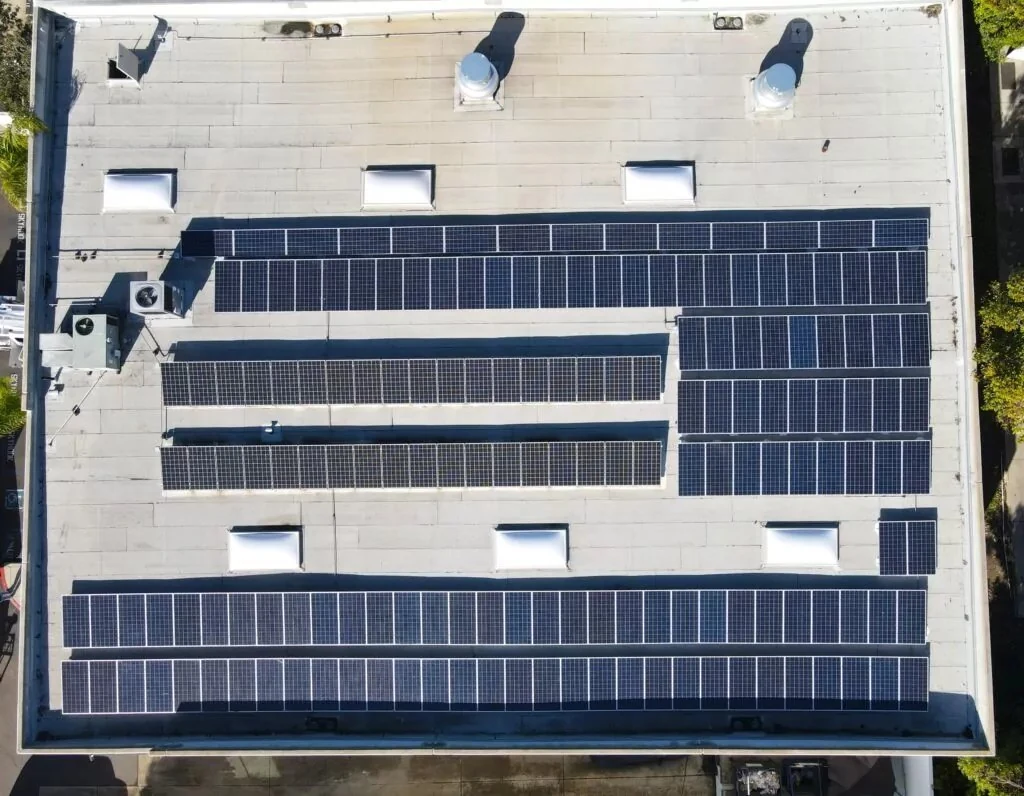
We photograph every slope separately, date-stamp everything, and mark impact locations on a roof diagram so the documentation holds up whether it's reviewed next week or next year. That includes rooftop units, coping, downspouts, and any exposed metal, since hail damages all of it and an incomplete inspection leaves gaps in the record before a claim ever gets filed.
We also note pre-existing conditions honestly. A roof with prior patch work or wear unrelated to the storm gets flagged as such, because a report that blurs storm damage into unrelated wear tends to slow a claim down rather than speed it up.
The Claim Cycle From Storm to Repair
A commercial hail claim here typically moves through the same rough sequence: storm event, our initial roof inspection and documentation, the property owner filing with their carrier, an adjuster's own inspection, and then a scope of repair or replacement getting agreed between the carrier and the owner. We can walk the roof alongside an adjuster if the owner wants that, and we'll answer technical questions about the roof system, but the settlement itself is between the owner and the carrier.
Timing varies job to job. A single-building claim can move in a matter of weeks; a portfolio with several damaged roofs after the same storm often takes longer simply because more properties are competing for adjuster time. We stay in touch with the property owner through that whole stretch so a delay on the insurance side doesn't turn into a mystery.
- A dated, slope-by-slope condition report with photos an adjuster can review on its own facts
- Emergency tarp and dry-in service to stop water intrusion while a claim is still open
- A roof diagram marking impact locations, beyond a general damage summary
- Honest notes on pre-existing wear kept separate from storm-caused damage
- Availability to walk the roof with an adjuster or public adjuster if the owner requests it
- A repair or reroof scope priced to match whatever coverage decision the owner and carrier reach
Emergency Dry-In While a Claim Is Still Open
Hail damage that opens a membrane split or knocks loose a piece of edge metal doesn't wait for a claim to settle before the next rain shows up. We tarp and dry in exposed areas the same day when we can, so an owner isn't choosing between an open claim timeline and a flooded interior. That temporary work gets documented and photographed too, since it's often part of what a carrier reviews.
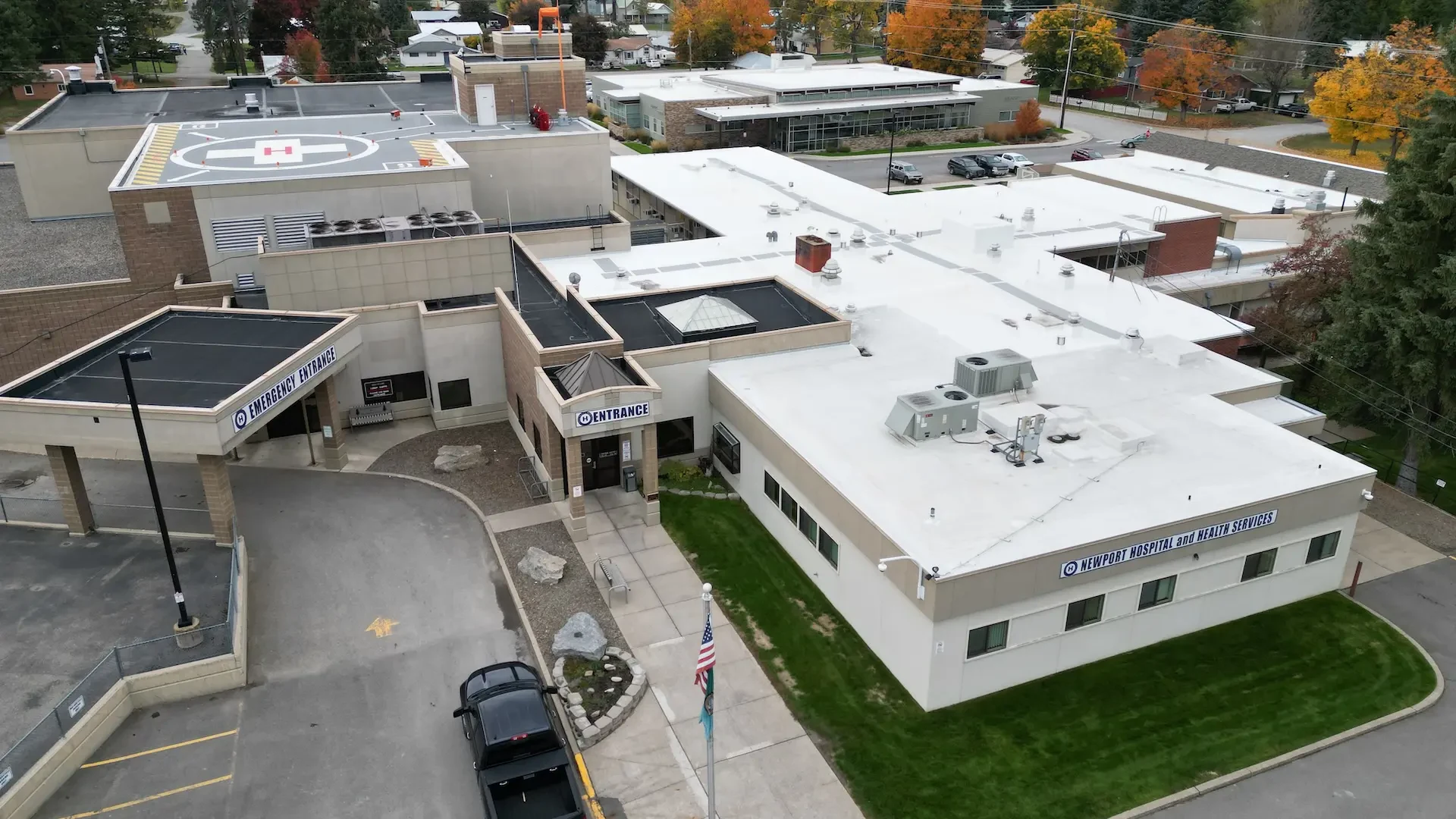
This matters most on buildings that can't absorb interior water damage on top of the roof issue: a grocery store with product on the floor, a medical office with equipment underneath, a multifamily building with occupied units below. We prioritize dry-in on those first.
Working With Adjusters and Public Adjusters Without Overpromising
We'll talk directly with an insurance adjuster about roof system specifications, code-required upgrades, or what a repair versus full replacement scope actually involves, because that's a conversation about roofing, not about coverage. If an owner has hired a public adjuster, we work with them the same way. What we won't do is tell an owner what their claim is worth or guarantee an outcome, because that decision sits with the carrier, not with us.
What we will commit to is giving an honest technical read on the roof, every time, whether that helps or hurts a claim. A roof that's actually fine after a marginal hail event doesn't need to be reroofed, and we'll say so.
Multi-Building Portfolios After a Regional Storm
A large hail cell moving through the Front Range can hit a dozen properties under the same ownership or management group in one pass. We've documented storm damage across scattered properties in a single sweep, keeping each building's report separate so a portfolio-wide claim doesn't turn into one tangled file covering six different roofs with six different damage patterns. See our page on property management portfolios for how we handle multi-site coordination generally.
Questions Owners Ask About Storm Claims
Will you tell me whether my roof damage will be covered?
No, that call belongs to your insurance carrier. We'll give you a factual, documented condition report you can bring to them.
How fast can you get a tarp on an open leak after a storm?
We prioritize emergency dry-in the same day when the situation allows for it, especially on occupied buildings.
Do you meet with adjusters on site?
Yes, if the owner wants us there. We'll answer technical roofing questions directly.
What if my roof shows both storm damage and older wear?
We document both separately and honestly. Blurring the two together tends to slow a claim down.
Can you handle documentation across multiple properties after the same storm?
Yes, that's common after a regional hail event. Each building gets its own dated report.
Roof
GALLERY