Hotel and Hospitality Roofing in Fort Collins, CO
Commercial Roofing
Commercial Project Types
Hotel Roofing for Fort Collins Game Days and I-25 Travel Corridor
Hotels around Fort Collins run on a different occupancy rhythm than most commercial buildings, with CSU football weekends and summer tourist traffic heading toward Estes Park both pushing rooms close to full while regular weekday business travel fills the gaps. A hotel roof does not get a quiet week to work with very often.
Steep-Slope and Low-Slope Combinations on Hotel Roofs
A lot of hotels built along the I-25 corridor and around Old Town combine a pitched, often mansard-style front roof section for street appeal with flat low-slope roof over the guest room wings and back-of-house areas. Those two systems age at completely different rates and fail for different reasons, so we assess them as separate roof types even when they are physically part of the same building.
The transition line between the pitched front section and the flat rear section is a common leak point, since that detail has to shed water from two different roof geometries into one drainage path.
Rooftop Mechanical for Guest Comfort Systems
Guest room comfort depends on PTAC or rooftop package units that need to work reliably in every season, and a roof leak that reaches a guest room ceiling turns into a room out of service and a refund, well beyond a routine maintenance ticket. We prioritize curb and flashing integrity around guest room mechanical units specifically because the cost of a failure there is higher than on a back-office space.
Indoor pool mechanical rooms add their own rooftop equipment for dehumidification, and that equipment runs in a more corrosive, humid air environment than standard HVAC, which accelerates wear on the roofing components immediately around it.
Banquet and meeting space HVAC also runs on a different cycle than guest rooms, spiking hard during a wedding or conference weekend and sitting mostly idle in between, and we account for that intermittent heavy load when checking curb condition on the section of roof serving those spaces.
Scheduling Around Occupancy and Event Weekends
CSU home football games fill hotels across the market on a predictable fall schedule, and summer months bring steady tourist traffic passing through toward the mountains. We plan larger roof projects around the calendar a hotel's front desk and revenue manager can give us, avoiding known high-occupancy weekends rather than assuming any given week is a good week to be on the roof.
Noise control matters more on an occupied hotel than almost any other building type we work on, since guests paying for a room expect quiet, and a tear-off crew directly overhead during a football weekend generates complaints fast.
Weather Exposure on I-25 Corridor Properties
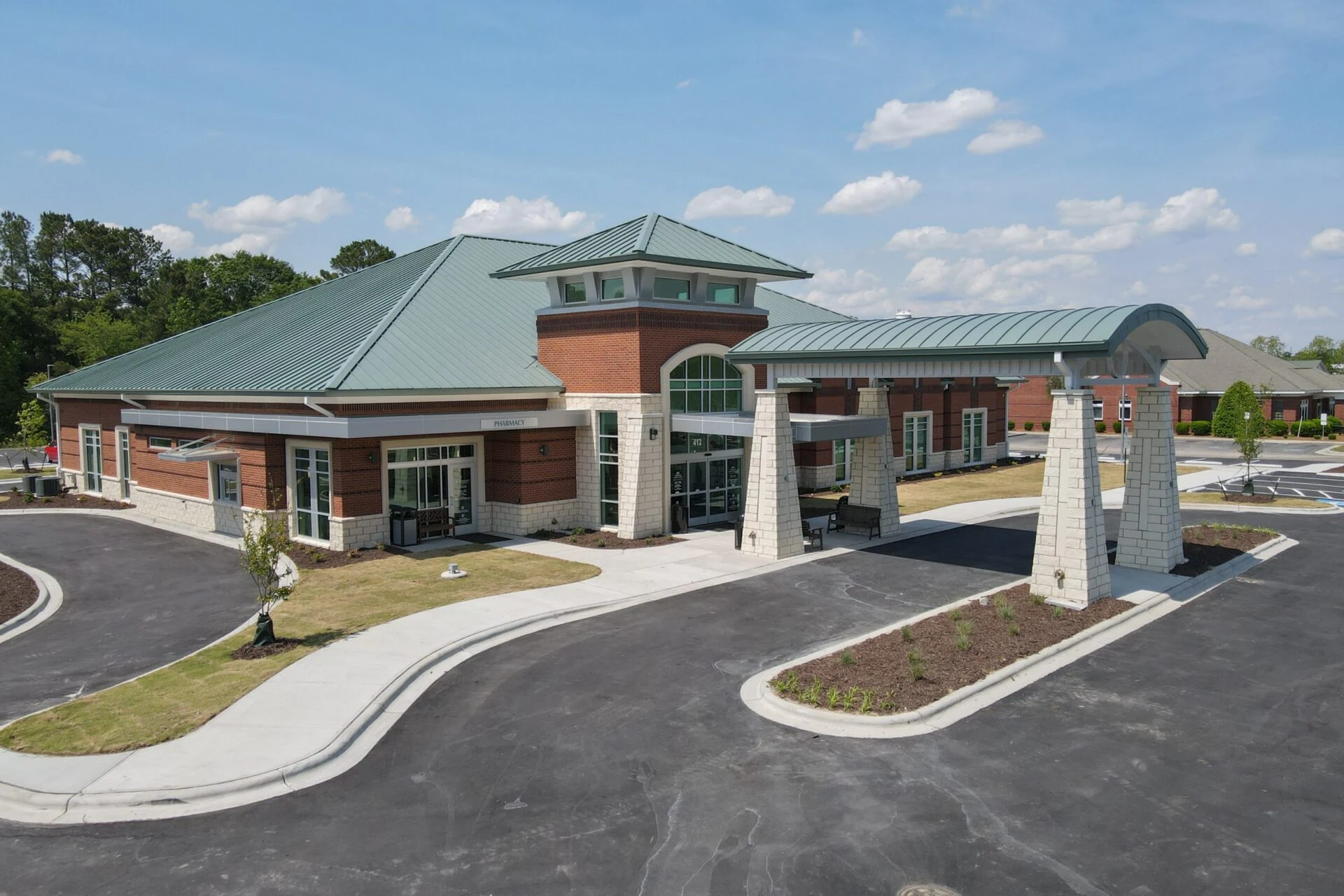
Hail alley exposure hits hotel roofs the same as any other flat commercial roof in this region, but hotels carry extra exposed structures that take direct hits too: porte cochere canopies, exterior corridor overhangs, and covered walkways connecting parking to entries. We inspect those secondary structures along with the main roof after a storm, since damage there is sometimes more visible to guests than damage on the main roof field.
Exterior corridor properties, common in the limited-service segment along I-25, put walkway roofs directly over paths guests use to reach their rooms, which means storm damage there is a guest safety issue as much as a maintenance issue if ice or debris collects overhead. We prioritize those exterior walkway sections in any post-storm inspection.
- Limited-service highway hotels along the I-25 corridor
- Full-service and extended-stay hotel properties
- Downtown and Old Town boutique hotels
- Banquet and event center roof structures attached to larger properties
- Porte cochere and entrance canopy roofs
- Indoor pool and mechanical enclosure roofs
Working with Hotel Management on Guest Experience
A hotel general manager thinks about a roof project in terms of guest reviews as much as building condition, and a bad review about construction noise or a leaking ceiling costs a property more over time than the repair itself. We communicate directly with hotel management on timing and expected disruption, giving them language they can use with guests if questions come up during the project.
Franchise brand standards also come into play at flagged properties, since many hotel brands have their own exterior appearance and maintenance requirements tied to franchise agreements. We work within those brand standards on visible roof and canopy elements rather than treating every property as a blank slate.
Hotel Roofing Questions Property Managers Ask
Can you schedule around football weekends and peak tourist season?
Yes. We plan larger projects around the occupancy calendar a property gives us and avoid known high-demand weekends whenever the timeline allows it.
Do pitched and flat roof sections on the same hotel need different care?
They do. We treat the mansard-style front section and the flat guest room wing roof as separate systems, since they age and fail differently even on one building.
How do you minimize noise disruption for guests?
We schedule the loudest work outside peak occupancy periods where possible and coordinate timing directly with hotel management so front desk staff know what to expect.
Do indoor pool areas need special roof attention?
Yes. Dehumidification equipment serving indoor pools runs in a more corrosive, humid environment, which wears roofing components near it faster than standard HVAC areas.
Do you inspect canopies and walkways after a hailstorm, or only the main roof?
We do. Porte cochere canopies and covered walkways take direct hail exposure too, and damage there is often more visible to guests than damage on the main roof field.
Roof
GALLERY