Multifamily Apartment Roofing in Fort Collins, CO
Commercial Roofing
Commercial Project Types
Apartment and Student Housing Roofs Near CSU
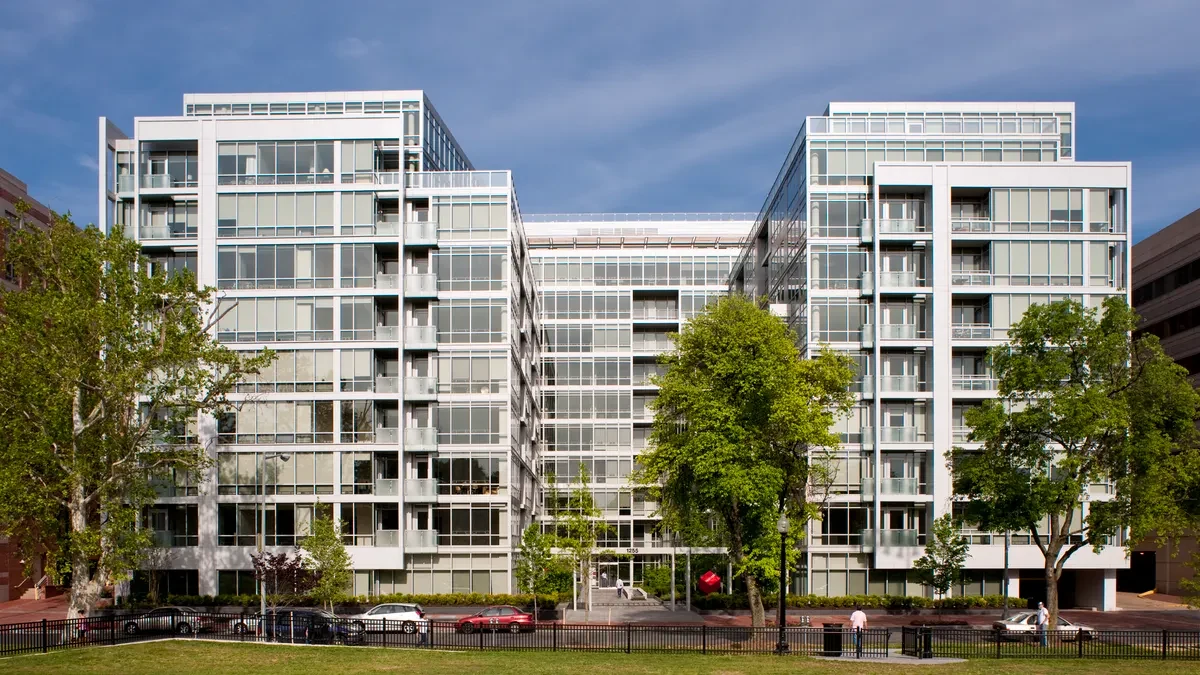
Colorado State University pulls thousands of students into off-campus housing every fall, and a lot of that housing sits in dense apartment complexes along Prospect, Elizabeth, and Shields with a hard turnover date every August. A roof problem on those buildings does not get to run past move-in day.
Turnover Timing Around the CSU Academic Calendar
Property managers running student-heavy complexes near campus plan their entire maintenance calendar around the gap between one lease cycle ending and the next one starting, usually a matter of weeks in late summer. We schedule reroof and major repair work into that same window whenever a property manager gives us the lead time to plan for it.
A late-August roof project on a fully leased student building is a different kind of problem than a late-August project on an empty building. New tenants moving in furniture and vehicles do not mix well with staged roofing material and dumpsters, so hitting the actual deadline matters more here than on almost any other property type we work on.
Balcony, Walkway, and Low-Slope Roof Combinations
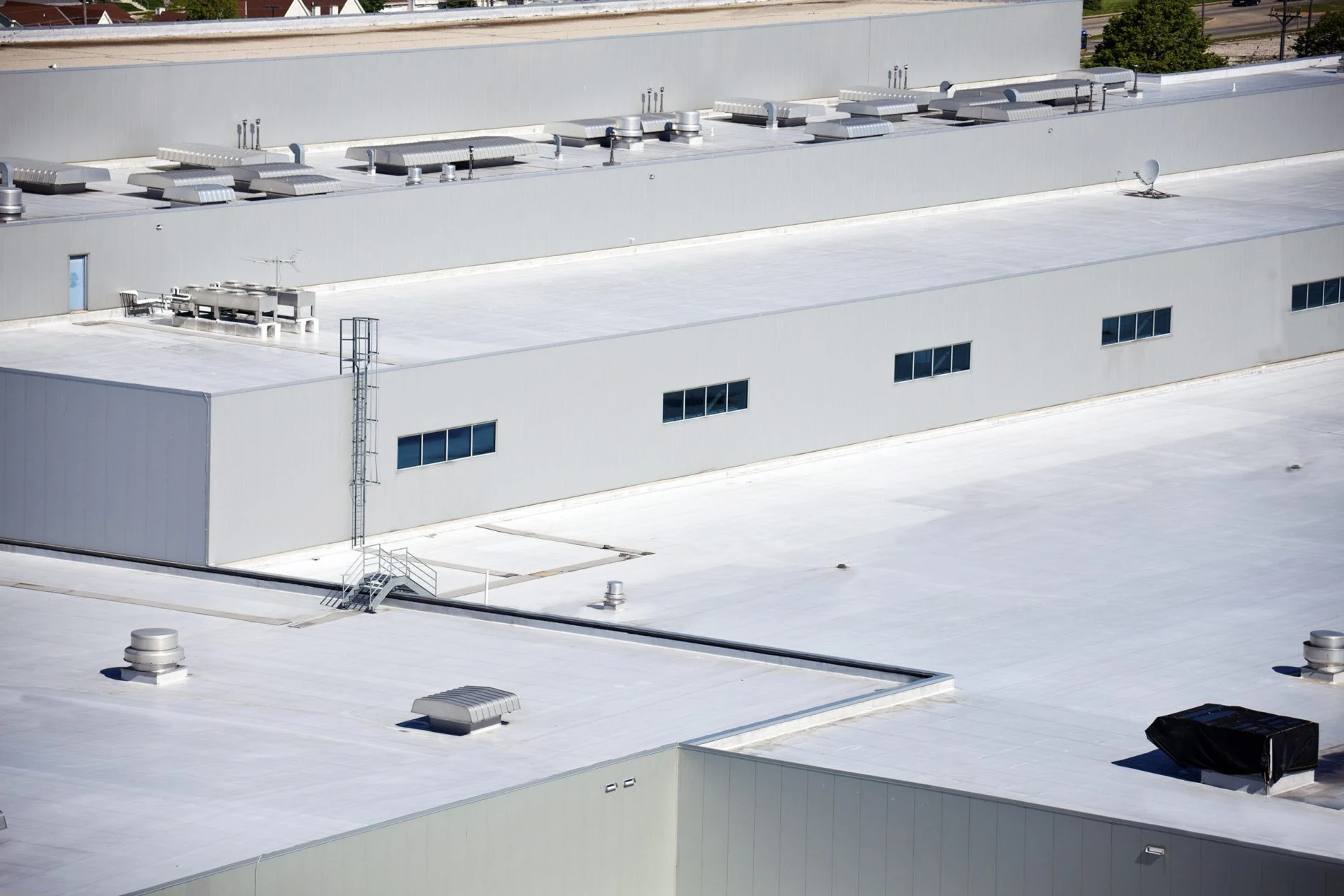
A lot of the garden-style complexes built for student and workforce housing around Fort Collins combine low-slope built-up roof sections over common areas and mechanical rooms with sloped roof sections and exterior walkways elsewhere on the same building. Those transition points between roof types are common trouble spots, particularly where a walkway roof drains onto a lower flat section.
We check drainage paths across those transitions specifically, since water that is supposed to run off a sloped section sometimes dumps onto a flat roof section not designed to handle that additional volume.
Access and Liability in High-Density Occupied Buildings
A 200-unit student complex has residents coming and going at all hours, parking lots full of cars, and limited staging area for material and equipment compared to a standalone commercial building. We plan access routes, fall protection, and material staging with that density in mind, and we coordinate timing with property management so residents get advance notice before crews are on site.
Liability exposure is higher on occupied residential buildings than on vacant commercial space, so we keep work zones clearly marked and controlled rather than relying on general job-site awareness the way we might on an empty warehouse.
Parking lot staging is its own logistical problem on properties where every space is assigned or already full most of the day. We work out a staging plan with the leasing office ahead of time instead of showing up and trying to find room for a dumpster and material pallets on the fly.
Hail Claims Across Large Multifamily Portfolios
Property management firms holding multiple complexes across Fort Collins deal with hail claims on a portfolio level, not building by building, and coordinating documentation across several properties after the same storm saves them time with adjusters. We document impact patterns consistently across every building in a portfolio when asked, so a management company is working from one unified damage picture instead of several different formats from different roofers.
Timing matters on multifamily hail claims too, since a delayed roof repair after a storm can turn into an interior damage claim once water starts finding its way into a unit below. We prioritize temporary dry-in on any storm-damaged multifamily roof before moving to permanent repair scheduling.
- Garden-style apartment complexes near campus and along major corridors
- High-density student housing buildings with tight turnover windows
- Mixed-income and workforce housing communities
- Senior and independent living apartment roofs
- Townhome and condo association roofs
- Clubhouse and leasing office amenity building roofs
Working With Property Management on Capital Planning
Multifamily owners plan capital reserves years in advance, and a roof replacement is usually one of the largest single line items on that plan. We provide condition assessments and remaining-life estimates that property managers can actually use in a reserve study, rather than a generic pass-fail inspection that does not help long-term budgeting.
Phased replacement across a multi-building complex is common when a full-portfolio reroof is not financially realistic in one year, and we sequence that phasing to prioritize the buildings showing the most wear first.
We also flag buildings where a targeted recover or coating might buy several more years of service life rather than jumping straight to full replacement, since not every roof on a large property is at the same point in its life cycle even if the buildings look identical from the parking lot.
Multifamily Roofing Questions Property Managers Ask
Can you guarantee a reroof finishes before the August move-in date?
We build the schedule backward from that date and confirm materials and crew availability before committing to it, since missing that deadline on an occupied student property is not an option we plan around.
How do you handle roof access on a fully occupied complex?
We plan staging and fall protection around resident traffic and give property management advance notice so residents know what to expect before crews arrive.
Can you document hail damage across multiple properties at once?
Yes. We use a consistent documentation approach across every building in a portfolio so a management company has one unified record to bring to adjusters.
Do you provide information useful for capital reserve planning?
We provide condition assessments with remaining-life estimates that fit directly into a reserve study rather than a simple pass-fail inspection.
What roof problems are common on garden-style complexes?
Drainage transitions where sloped walkway roofs meet flat common-area roofs are a frequent trouble spot, and we check those points specifically on any inspection.
Roof
GALLERY