Commercial Roof Coatings in Fort Collins
Commercial Roofing
Commercial Roofing Services
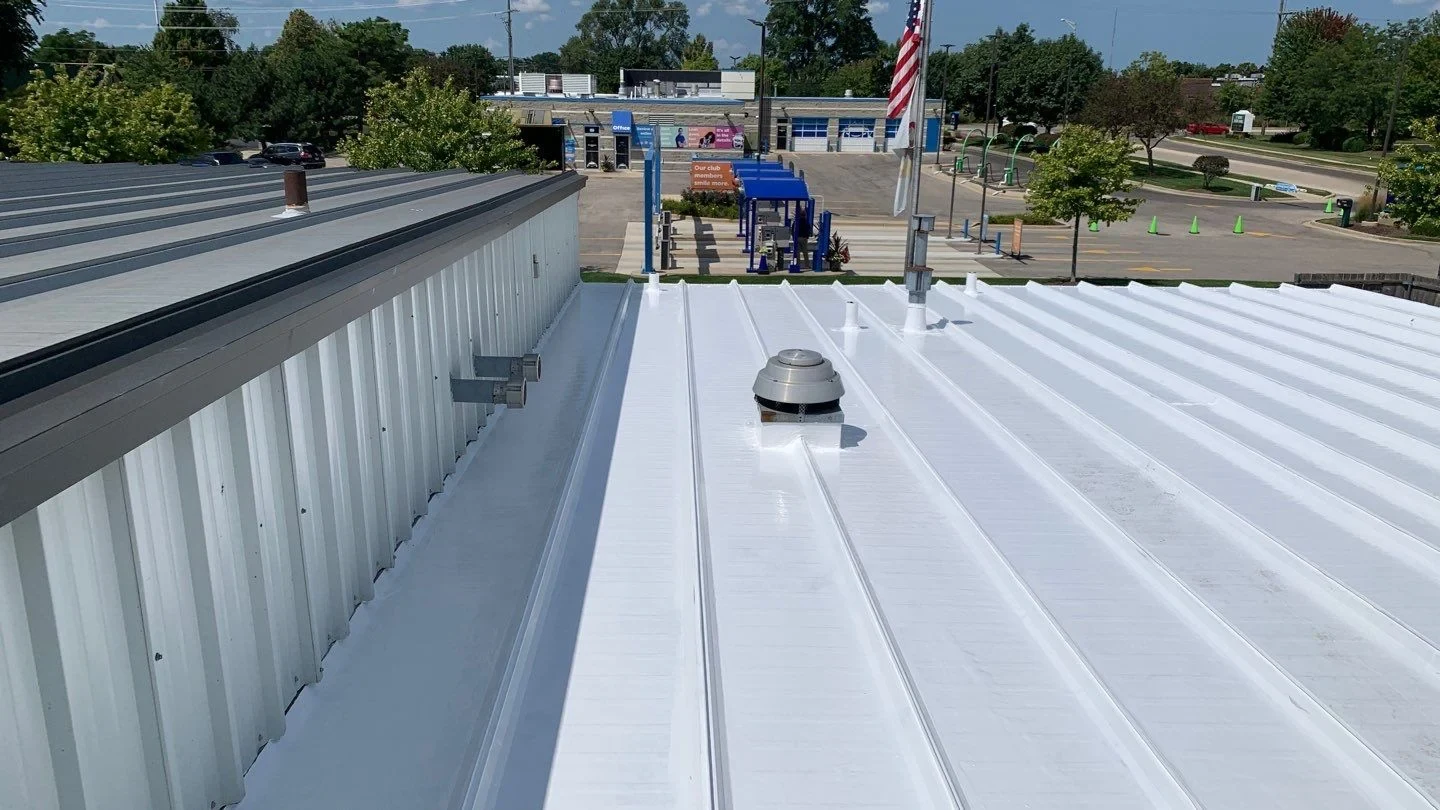
Acrylic Coatings for Metal Panel Roofs Across the Ag Corridor
A coating recommendation starts with adhesion, moisture, drainage, membrane condition, detail preparation, and warranty eligibility—not every existing roof is a restoration candidate. Acrylic coating is our go-to for extending the life of metal panel roofs that shed water well but are showing rust, chalking, or faded finish. It costs less than silicone and performs fine on roofs that drain properly, which describes most of the R-panel and standing seam buildings we see across the ag corridor north of town.
Why Acrylic Fits Metal Roofs Better Than Membrane Roofs
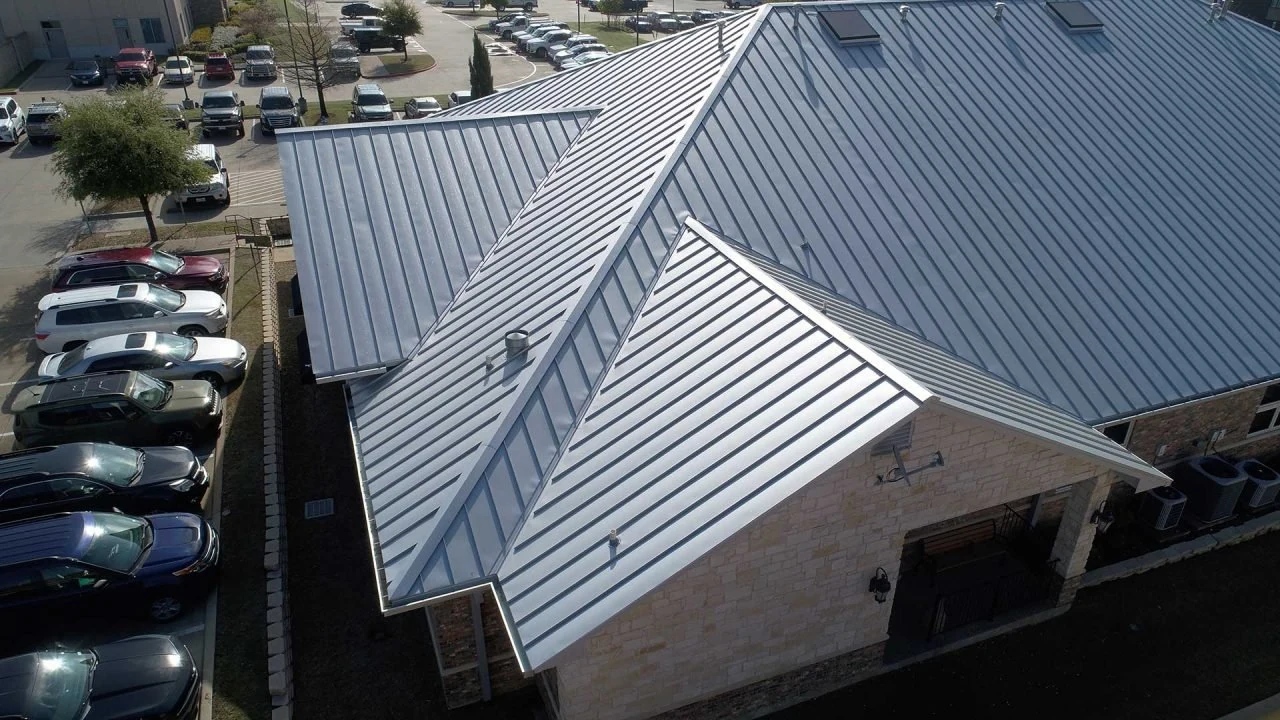
Acrylic coatings don't tolerate standing water the way silicone does, so we don't recommend it on flat membrane roofs with ponding issues. But metal panel roofs, whether standing seam or exposed-fastener R-panel, are built to shed water off a sloped surface, which plays directly to acrylic's strengths without exposing its weakness.
A lot of the ag buildings, equipment sheds, and older warehouse space around Milliken, Evans, and Eaton have metal roofs installed decades ago that are structurally fine but showing surface rust and faded paint. Acrylic coating restores a protective, reflective surface over that metal without the cost of a full re-roof.
Rust Prevention on Older Panel Roofs
Once a metal panel's factory finish starts chalking and breaking down, bare metal underneath becomes exposed to moisture and starts rusting, usually first at fastener heads and panel seams. Acrylic coating seals that exposed metal and slows rust progression considerably compared to leaving it unprotected.
We spend real time on surface prep before coating a rusted metal roof, since coating over active rust without proper cleaning and priming just traps moisture under the new coating and speeds up the very problem we're trying to stop. Wire brushing, rust converter treatment, and spot priming on heavily corroded areas all happen before the coating goes down.
What We Check Before Recommending Acrylic Coating
Not every aging metal roof is a good coating candidate. We evaluate:
- Extent of surface rust and whether it's isolated or has progressed to panel perforation
- Fastener condition, since coating over failed fasteners doesn't fix the leak risk underneath
- Roof slope and drainage to confirm water isn't pooling anywhere on the panel field
- Existing finish adhesion, since acrylic needs a stable surface to bond to
- Building use and whether reflectivity gains would meaningfully reduce interior heat load
- Cost comparison against panel replacement if corrosion is more advanced than expected
Reflectivity Benefits for Ag and Storage Buildings
Fort Collins's elevation means more direct UV exposure than most of the country sees, and a dark, aged metal roof absorbs a lot of that heat. For ag storage buildings holding temperature-sensitive product, or equipment sheds where interior heat buildup matters for stored machinery, a reflective acrylic coating knocks down roof surface temperature and reduces that heat transfer into the building.
The reflectivity gain is most noticeable on roofs that were originally a dark color and have faded further with age. A lighter-colored acrylic topcoat gives an immediate, visible difference in how hot the roof surface runs on a summer afternoon.
Recoat Cycles and Realistic Expectations
Acrylic coatings need recoating on a regular cycle, generally shorter than silicone's cycle since acrylic is somewhat less durable under prolonged UV and weathering. We're upfront with owners that this is an ongoing maintenance commitment, not a permanent fix, and we build that into the cost conversation rather than letting it come as a surprise years later.
Owners who treat acrylic coating as part of a maintenance program, with periodic inspection and recoating on schedule, get significantly more value than those who coat once and forget about the roof until something leaks.
Coating Fastener Heads Separately From the Panel Field
Fastener heads fail before the panel field does on most exposed-fastener metal roofs, and a general coating pass across the whole roof doesn't always give screw heads and washers the extra attention they need. We treat fastener heads as their own detail item during coating prep, sealing each one individually before the broader coating application goes down.
Skipping that step is a common shortcut on cut-rate coating jobs, and it shows up within a year or two as fastener leaks that reappear right through a supposedly fresh coating. Taking the extra time on fastener detailing up front costs more in labor but avoids callbacks that cost the owner more in the long run.
Acrylic Coating Questions From Building Owners
Can acrylic coating go over a metal roof with visible rust spots?
Yes, but the rusted areas need proper surface prep first, including cleaning and sometimes rust converter treatment. Coating directly over untreated rust doesn't hold up.
Why would you choose acrylic over silicone for a metal roof?
Cost is the main driver, along with the fact that metal roofs shed water well and don't need silicone's ponding resistance. Acrylic performs fine in that environment for less money.
How long does an acrylic coating last before it needs recoating?
It varies with UV exposure and weathering, but generally on a shorter cycle than silicone. We set expectations for that maintenance schedule upfront.
Does acrylic coating stop existing leaks?
It can seal minor surface issues, but active leaks from failed fasteners or seam separation need to be addressed directly before coating, not covered over by it.
Is acrylic coating a good option for a roof over stored equipment or ag product?
Often yes, particularly for the heat reduction benefit, as long as the roof structure and fasteners are sound enough to make coating worthwhile rather than replacement.
Roof
GALLERY