Commercial Roofing Contractors Old Town Fort Collins, CO
Commercial Roofing
Service Areas
Commercial Roofers in Old Town Fort Collins
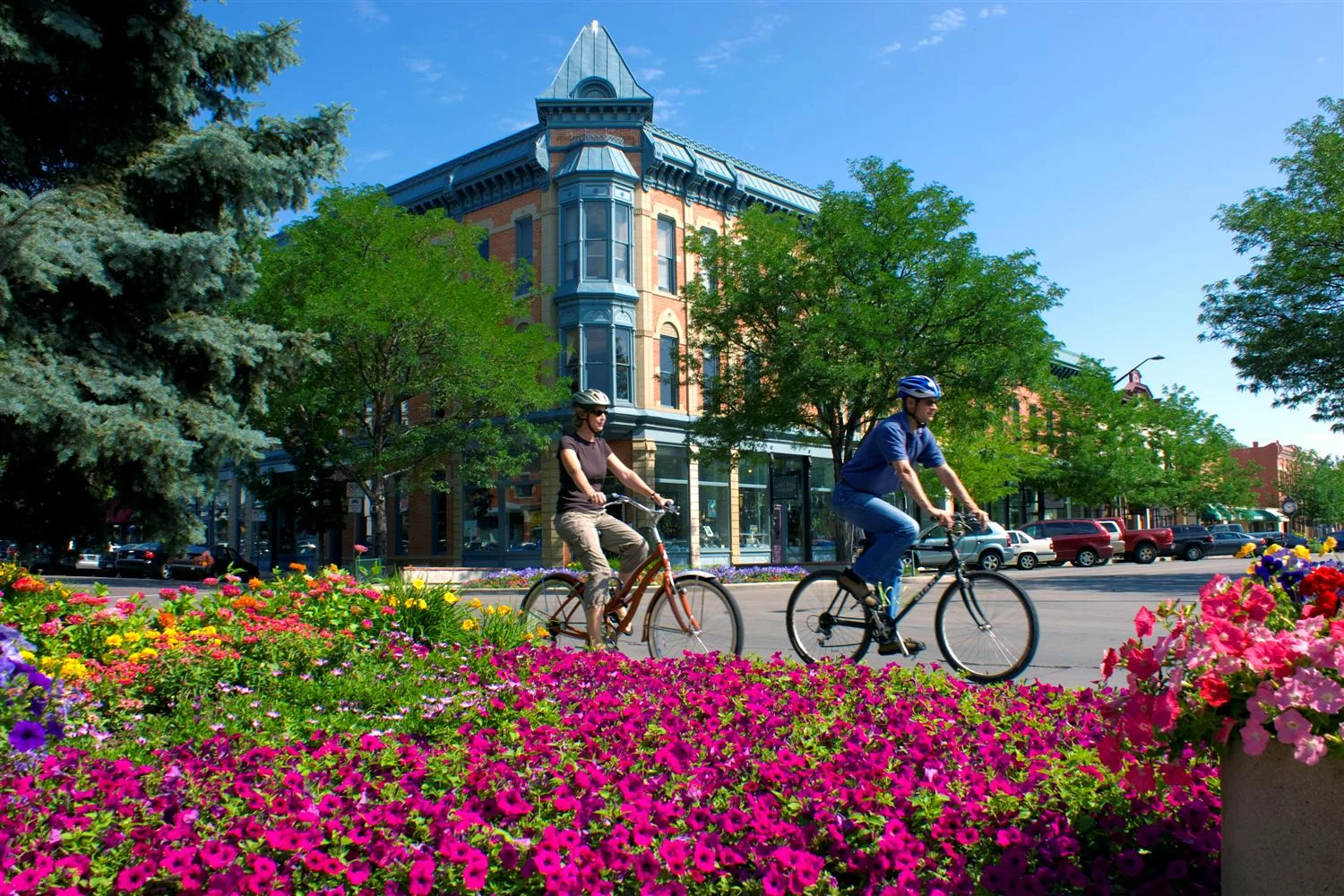
For commercial properties in Old Town Fort Collins, the defensible choice between repair, restoration, and replacement starts with roof-system condition, moisture findings, drainage performance, and remaining service life. Old Town Fort Collins runs on buildings built for horses and rail freight, not rooftop HVAC and grease exhaust, and every low-slope roof up here sits behind a facade the city has an opinion about. We work the historic core building by building, matching what the roof actually needs to what the Landmark Preservation Commission will sign off on.
Getting a Roof Replacement Past Design Review
Any exterior work visible from Mountain Avenue, Linden Street, or the Old Town Square block usually needs a certificate of appropriateness before permitting moves, and that review can slow a project that would otherwise start the same week. We build the paperwork trail early, photographing existing parapet caps, coping profiles, and cornice lines so the replacement spec matches what's already there instead of triggering a second round of comments.
Most of what the commission cares about is invisible from the roof deck itself: the front-facing parapet height, the visible edge metal color, whether a rooftop unit sticks up above the false front. We keep new equipment set back and screened where the code calls for it, and we've learned which buildings on which blocks draw the closest scrutiny.
None of that changes what happens above the parapet. Once the roof itself is out of street sightline, the membrane choice comes down to the same questions we'd ask anywhere: deck condition, drainage, and how long the building owner plans to hold the property.
Century-Old Brick Parapets and What They Do to a Roof Membrane
A lot of the storefronts along College and Mountain still carry original unreinforced masonry parapet walls, some of them well over a hundred years old, and those walls move with freeze-thaw cycling in ways poured concrete doesn't. Coping stones crack, mortar joints open up, and water finds its way behind the wall and down into the roof assembly at the parapet base long before the field membrane shows any wear.
We flash these walls assuming the masonry isn't watertight on its own, which it usually isn't. Termination bar height, counter-flashing under the coping, and a cricket where two roof slopes meet a parapet corner matter more here than on a standard metal-building tilt-up.
Where a building has had multiple roof layers added over the decades without ever pulling the old membrane, we've found buried drains, abandoned scuppers, and roof decks that don't match the original construction drawings at all. Tear-off on these buildings starts with figuring out what's actually up there before we spec anything.
Kitchen Exhaust, Grease, and Rooftop Heat Above Old Town Restaurants
Old Town's restaurant density means a lot of these roofs carry kitchen exhaust fans running hot, grease-laden air across the membrane surface for ten or twelve hours a day. Grease attacks EPDM and some TPO formulations faster than UV does, and we've replaced sections of membrane around exhaust discharge points years before the rest of the roof needed it.
A grease containment pan under the fan discharge and a membrane rated for the exposure buys real service life back. It's a small line item next to a full recover, and it's the difference between a spot repair every couple years and a roof that actually makes it to its warranty age.
Brewery rooftops bring a second version of the same problem: condensation off cold-side tanks and refrigeration equipment dripping onto the membrane in one spot for years. We look for that pattern specifically because it doesn't show up as obvious wear until the deck underneath is already compromised.
What an Old Town Roof Survey Covers
An Old Town survey runs through the same list regardless of building age, because the parapet and penetration details matter more than the roof's calendar age up here:
- Coping and parapet cap condition at every masonry wall
- Kitchen exhaust and grease discharge points
- Buried drains and abandoned scuppers under later roof layers
- Rooftop unit screening and setback from the front facade
- Membrane condition directly below refrigeration and cold-side equipment
- Deck condition where multiple historic roof layers have accumulated
Poudre River Corridor Rain and Winter Freeze-Thaw
Old Town sits close enough to the Poudre River that a fast summer thunderstorm can drop more rain than a roof's original drains were sized for, especially on buildings where a later addition changed the drainage pattern without anyone re-checking capacity. We size any recover project against what the roof needs to shed now, not what it was built to handle when it went up.
Winter brings the other half of the equation: repeated freeze-thaw cycling that works on every seam, every parapet joint, every place water can pool even briefly before it refreezes. It's slower damage than a hailstorm, but on a building with this many masonry-to-membrane transitions, it adds up faster than owners expect.
Old Town Roofing Questions
Does every roof project in Old Town need historic design review?
Only work visible from the street level, mainly parapet height, edge metal, and visible rooftop equipment. Most of the membrane work itself happens out of sightline and doesn't trigger review.
How much does grease exposure actually shorten a membrane's life?
It varies by discharge volume and membrane type, but we've seen localized wear near exhaust points well ahead of the rest of the roof. A containment pan and a rated membrane section addresses it directly.
Can you tell what roof layers are already up there before tear-off starts?
We can get close with a core cut and a look at the original construction record where one exists, but on buildings with several historic layers, some of it only becomes clear once tear-off is underway.
Do you work around restaurant and brewery operating hours?
Yes. Kitchen and taproom operations don't stop for roof work, so we schedule noisy or disruptive phases outside peak service windows wherever the building allows it.
What's the biggest drainage risk for Old Town buildings specifically?
Additions and remodels over the decades that changed roof area or slope without anyone re-checking whether the original drains could still handle it.
Roof
GALLERY